

0
6
Forest and Land Fires in Indonesia: A Threat to People and Nature
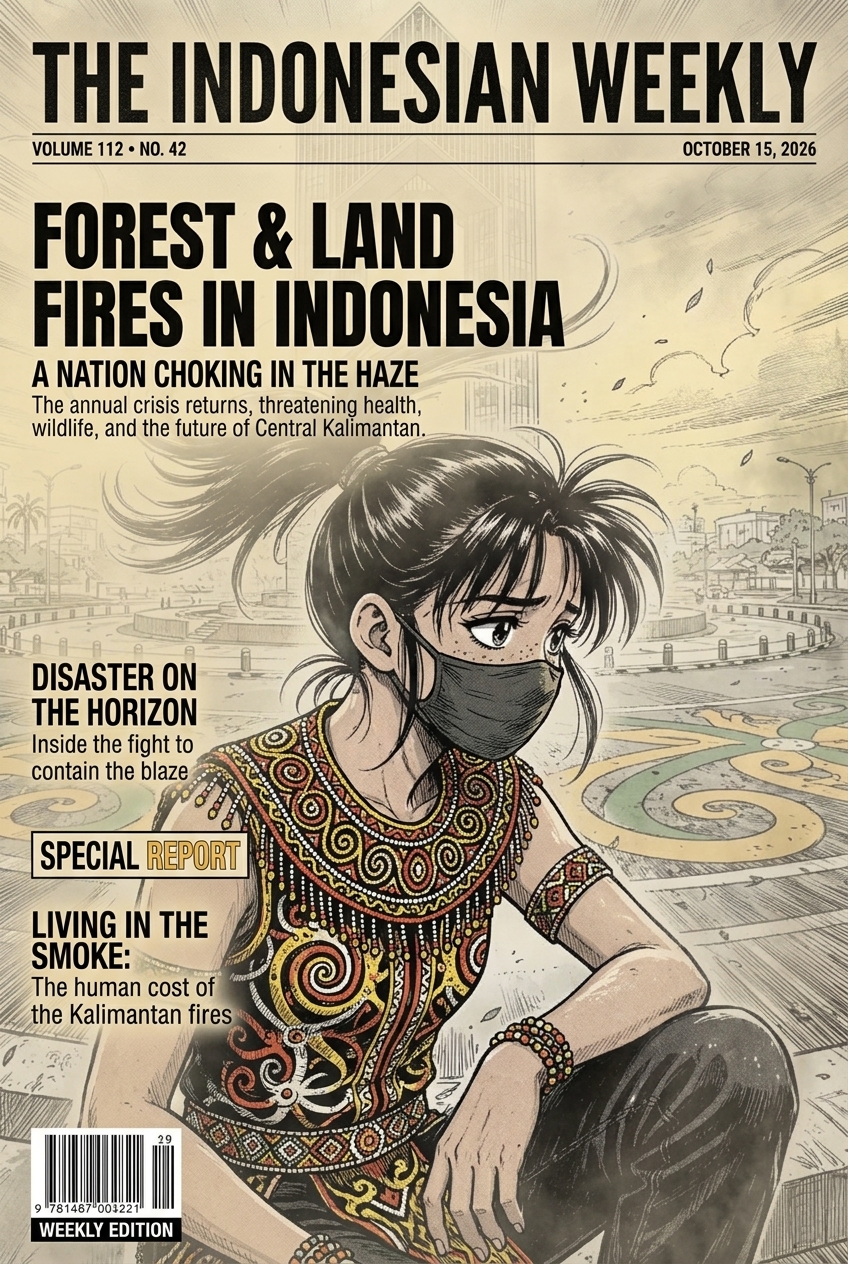
Forest and land fires across the Indonesian island of Borneo, particularly in Central and West Kalimantan, have caused thick haze and serious air pollution. Dry weather intensified by the El Niño climate pattern has increased fire risks and made firefighting more difficult.
One of the major underlying problems is peatland degradation caused by drainage, deforestation, and conversion of natural ecosystems into monoculture plantations. Peat fires can smoulder underground, making them difficult to extinguish and allowing them to reignite. The Indonesian government has announced plans to restore peatland moisture through well construction and improved water-canal management.
The consequences extend far beyond forest damage. Haze pollution threatens public health, increases respiratory risks, reduces visibility, disrupts transportation, and interferes with everyday activities. Smoke from Indonesian fires has also spread across national borders, affecting neighbouring countries in Southeast Asia.
Wildlife is also at risk, especially the endangered Bornean orangutan. Associated Press reports have documented rescue efforts involving orangutans affected by fires and smoke. Meanwhile, residents in West Kalimantan have taken legal action, alleging that authorities failed to adequately prevent and manage the prolonged fires.
The Indonesian government has prioritised firefighting operations in Central Kalimantan and South Sumatra. However, lasting solutions require stronger fire prevention, forest conservation, peatland restoration, law enforcement, and cooperation among government agencies, Indigenous communities, and local residents.
Conclusion: Forest and land fires are not merely seasonal disasters; they are long-term environmental and social challenges. Protecting Borneo's forests means safeguarding human health, biodiversity, and the future of generations to come.